


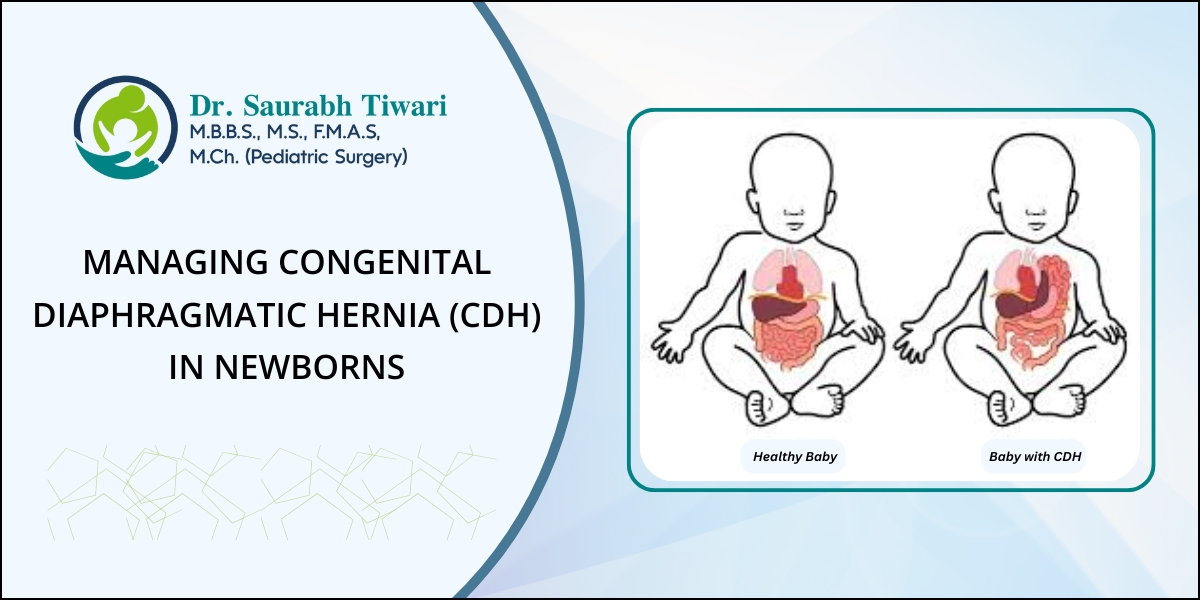
For new parents, receiving a diagnosis of Congenital Diaphragmatic Hernia (CDH) for their newborn can be overwhelming. This congenital condition, where there is an abnormal opening in the diaphragm allowing abdominal organs to move into the chest cavity, requires immediate and specialized care. Understanding CDH, its management, and the journey ahead is crucial for families navigating this challenging path.
What is Congenital Diaphragmatic Hernia (CDH)?
CDH occurs when the diaphragm—the muscle that separates the chest from the abdomen—fails to close completely during fetal development. This opening allows organs like the stomach, intestines, or liver to herniate into the chest, compressing the developing lungs and often leading to pulmonary hypoplasia (underdeveloped lungs). It is typically diagnosed during a routine prenatal ultrasound, though sometimes it is identified only after birth.
The CDH Journey: From Diagnosis to Treatment
1. Prenatal Diagnosis and Monitoring
When CDH is detected before birth, parents are referred to a specialized fetal care center. Regular monitoring via ultrasound and fetal MRI helps assess the severity—particularly the lung-to-head ratio (LHR) and liver position—which guides prognosis and delivery planning.
2. The Critical First Hours: Stabilization
A baby with CDH is a neonatal emergency. The primary goal immediately after birth is stabilization without using aggressive mechanical ventilation, which can damage the fragile lungs. Gentle ventilation strategies, often including high-frequency oscillatory ventilation (HFOV), and the use of nitric oxide to help blood vessel relaxation are standard. The focus is on supporting oxygenation and circulation while avoiding further lung injury.
3. Surgical Repair: The Diaphragm Closure
Surgery to reposition the organs and close the diaphragm hole is typically performed once the baby is stable, usually within the first week of life. The procedure can be done via open surgery or minimally invasive techniques, depending on the case. The timing is a delicate balance—waiting for stabilization but operating before complications arise.
4. The Road to Recovery
Post-surgery, the real challenge begins: supporting the baby through lung recovery. This period often involves prolonged stays in the Neonatal Intensive Care Unit (NICU), managing ventilation, addressing feeding difficulties (often requiring tube feeds), and treating associated issues like pulmonary hypertension or gastroesophageal reflux. Recovery is measured in weeks or months, not days.
5. Long-Term Follow-Up
CDH is a lifelong journey. Survivors require multidisciplinary follow-up to monitor for potential long-term issues, including:
- Chronic lung disease and increased susceptibility to respiratory infections.
- Growth and nutritional challenges.
- Neurodevelopmental delays.
- Hearing loss.
- Recurrence of hernia or musculoskeletal issues.
Regular check-ups with a team including pediatric surgeons, pulmonologists, developmental pediatricians, and dietitians are essential.
Hope and Advances in CDH Care
The outlook for CDH has improved dramatically. Where survival rates were once low, today, leading centers report survival rates of 70-90% for babies born without severe associated syndromes. Advances like FETO (Fetal Endoscopic Tracheal Occlusion) for severe cases, refined ventilation protocols, and ECMO (Extracorporeal Membrane Oxygenation) for heart and lung support have been game-changers. The key is delivery and care at a high-volume center with expertise in CDH.
For parents, it’s a path of resilience. Connecting with support groups, seeking detailed information from your medical team, and celebrating small milestones are vital parts of managing the CDH journey.
About Dr. Saurabh Tiwari – Pediatric Surgeon in Mumbai
If you are looking for a pediatric surgeon in Mumbai, a newborn CDH specialist, or expert pediatric minimally invasive surgery for hernia repair and seeking expert care for Congenital Diaphragmatic Hernia, Dr. Saurabh Tiwari is a renowned pediatric surgeon in Mumbai specializing in neonatal and minimally invasive surgery. With extensive experience in managing complex CDH cases, Dr. Saurabh Tiwari provides care from prenatal counseling and advanced surgical repair to long-term follow-up—ensuring the best possible outcomes for newborns.
Visit : Dr. Saurabh Tiwari | Pediatric Surgeon
Address : No 63/64, Matushree Gomati Hospital, C/o, Mahatma Gandhi Rd, Tilak Nagar, Goregaon West, Mumbai
Contact Number : +91 9326050270
FAQs on Congenital Diaphragmatic Hernia
1. What is the main cause of congenital diaphragmatic hernia?
The exact cause is unknown, but it results from improper development of the diaphragm during early fetal growth. It may occur sporadically or, in rare cases, be linked to genetic factors.
2. Can a baby survive CDH?
Yes. With advanced neonatal care and surgery, survival rates have significantly improved, with many centers reporting 70-90% survival, depending on the severity.
3. Is CDH considered a disability?
CDH itself is not a disability, but some survivors may have long-term challenges like chronic lung disease or developmental delays, which may qualify for disability support services.
4. What is the life expectancy of a child with CDH?
With successful repair and management of complications, many children with CDH have a normal life expectancy. Long-term health depends on the severity of initial lung involvement and associated conditions.
5. Can CDH be cured?
Surgery “repairs” the hernia, but it does not cure the underlying lung hypoplasia. The child’s long-term health depends on how well their lungs grow and function over time, requiring ongoing monitoring.