




When a child needs surgery, it is natural for parents to feel worried. Questions about pain, anesthesia, recovery, scars, and most importantly, “Is surgery safe for my child?” are very common. With advances in pediatric surgery, many procedures that once required large incisions can now be performed using laparoscopic surgery, also known as minimally invasive surgery.
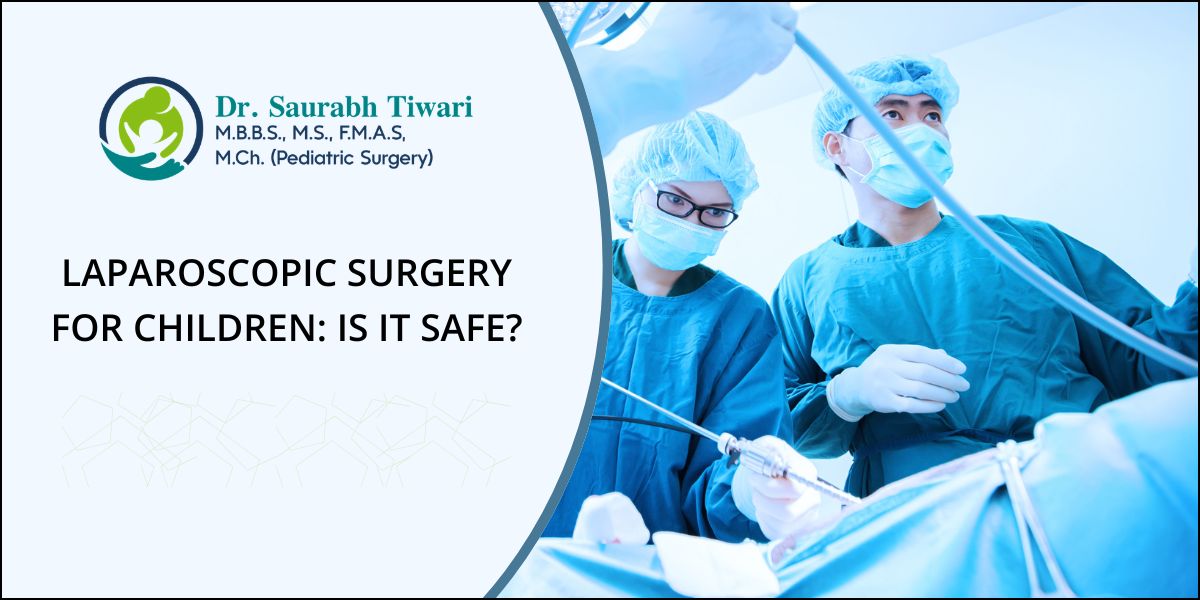
Laparoscopic surgery for children uses a small camera and specialized instruments inserted through tiny incisions. The surgeon can view the internal organs on a high-definition screen and perform the required procedure with precision. But is laparoscopic surgery really safe for children? In appropriately selected cases, when performed by an experienced pediatric surgeon, it is considered a safe and effective surgical approach.
What Is Laparoscopic Surgery in Children?
Unlike traditional open surgery, which may require a relatively larger incision, laparoscopic surgery generally involves a few small incisions. A thin camera called a laparoscope is inserted through one opening, while surgical instruments are introduced through other small openings.
The camera provides a magnified view of the surgical area, allowing the pediatric surgeon to carefully perform the procedure. Depending on the child’s condition, laparoscopic surgery may be considered for conditions such as appendicitis, inguinal hernia, undescended testis, gallbladder problems, certain ovarian conditions, and some abdominal or urinary tract conditions.
Is Laparoscopic Surgery Safe for Children?
For many children, laparoscopic surgery can be performed safely. However, the suitability of the procedure depends on several factors, including the child’s age, overall health, medical condition, previous surgeries, and the complexity of the problem.
One of the most important factors is choosing a surgeon who has specific training and experience in pediatric laparoscopic surgery. Children are not simply “small adults”; their anatomy, physiology, and surgical requirements are different. A pediatric surgeon understands these differences and can select the safest approach for each child.
As with any surgery, laparoscopic procedures also have potential risks, including bleeding, infection, reactions to anesthesia, or injury to nearby structures. Serious complications are uncommon, but parents should discuss the potential benefits and risks with the treating pediatric surgeon before making a decision.
What Are the Benefits of Laparoscopic Surgery for Children?
One of the major advantages is that laparoscopic surgery uses smaller incisions. This can mean less postoperative pain, smaller scars, reduced wound-related problems, and faster recovery in many cases.
Because children may return to normal activities sooner, minimally invasive surgery can also reduce the disruption to school, play, and daily routines. Another advantage is the magnified view provided by the laparoscope, which can help the surgeon visualize delicate structures during the procedure.
However, laparoscopic surgery is not automatically the best option for every child. Sometimes traditional open surgery may be safer or more appropriate depending on the condition.
What Should Parents Expect Before and After Surgery?
Before surgery, the pediatric surgeon will evaluate the child’s medical history, symptoms, physical examination findings, and any required imaging or laboratory tests. The surgeon and anesthesia team will also explain the procedure and preparation required.
After surgery, children may experience some discomfort, tiredness, or temporary changes in appetite. Parents should follow the surgeon’s instructions regarding medicines, wound care, diet, bathing, and physical activity.
The recovery period varies depending on the procedure and the child’s individual health. Parents should contact the medical team if they notice symptoms such as persistent fever, increasing pain, significant swelling or redness around the incision, repeated vomiting, breathing difficulty, or unusual behavior.
Choosing the Right Pediatric Surgeon Matters
For parents, the goal should not simply be to find the “smallest incision.” The priority is safe and appropriate treatment for the child. An experienced pediatric surgeon can determine whether laparoscopic surgery is suitable and explain what parents can realistically expect before, during, and after the procedure.
Consult the Best Pediatric Surgeon in Mumbai – Dr. Saurabh Tiwari
For parents looking for a pediatric surgeon in Mumbai, Dr. Saurabh Tiwari provides specialized surgical care for children and focuses on evaluating each child’s condition before recommending the most appropriate treatment approach. Parents can discuss whether laparoscopic or conventional surgery is suitable for their child, along with expected benefits, risks, recovery, and postoperative care. A consultation with an experienced pediatric surgeon can help families make an informed decision with greater confidence.
Frequently Asked Questions
1. Is laparoscopic surgery safe for babies and children?
Yes, laparoscopic surgery can be safely performed in children, including infants, when medically appropriate and performed by an experienced pediatric surgical team.
2. Is laparoscopic surgery less painful for children?
Because laparoscopic procedures generally involve smaller incisions, children may experience less postoperative pain compared with some open procedures.
3. How long does a child take to recover after laparoscopic surgery?
Recovery depends on the type of surgery and the child’s health. Many children can resume normal activities relatively quickly, as advised by their pediatric surgeon.
4. Does laparoscopic surgery leave scars?
Yes, but the incisions are usually much smaller than those used in traditional open surgery, so the resulting scars may be less noticeable.
5. Is laparoscopic surgery suitable for every child?
No. The decision depends on the child’s condition, age, medical history, and the complexity of the surgery. The pediatric surgeon determines the safest approach.