




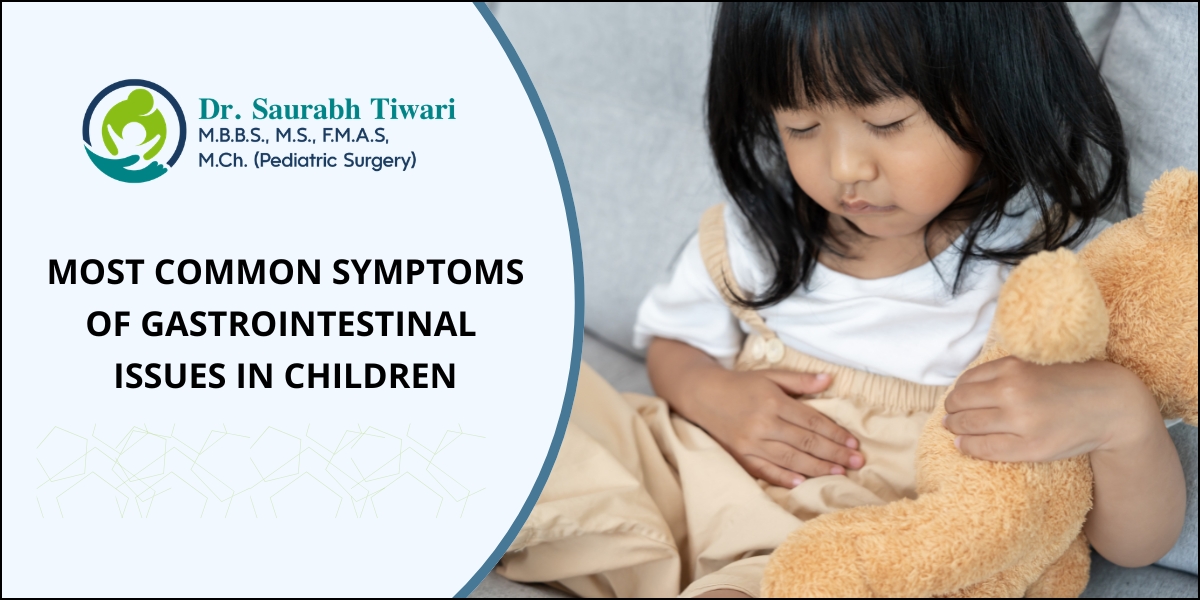
Children often experience stomach-related problems while growing up. From occasional stomach pain to frequent vomiting or constipation, gastrointestinal (GI) issues are among the most common health concerns in kids.
Understanding early symptoms of digestive problems in children helps parents seek timely medical care and prevent complications.
In this blog, we explain the most common symptoms ofgastrointestinal issues in children in simple language every parent can understand.
What Are Gastrointestinal Issues in Children?
The gastrointestinal (GI) system includes the esophagus, stomach, intestines, liver, pancreas, and rectum. These organs help in digestion, nutrient absorption, and waste removal. When any part of this system does not function properly, children may develop digestive disorders.
Common pediatric GI problems include:
- Acid reflux
- Constipation
- Diarrhea
- Food intolerance
- Infections
- Irritable bowel issues
- Inflammatory bowel disease
1. Frequent Stomach Pain
Occasional stomach pain is normal, but repeated abdominal pain should not be ignored.
Warning signs:
- Pain occurring several times a week
- Pain affecting eating or school activities
- Night-time abdominal pain
- Pain associated with vomiting or fever
Persistent stomach pain may indicate gastritis, constipation, food allergy, or intestinal infection.
2. Vomiting and Nausea
Vomiting in children can happen due to infections, overeating, or motion sickness. However, frequent vomiting may signal digestive problems.
When to worry:
- Vomiting lasting more than 24–48 hours
- Green or blood-stained vomit
- Poor weight gain
- Signs of dehydration
Conditions like acid reflux, food intolerance, or intestinal obstruction may be responsible.
3. Chronic Diarrhea
Loose stools lasting several days or recurring frequently can affect a child’s nutrition and growth.
Possible causes:
- Viral or bacterial infections
- Lactose intolerance
- Celiac disease
- Malabsorption disorders
Parents should seek medical advice if diarrhea continues for more than 3 days.
4. Constipation
Constipation is one of the most common gastrointestinal problems in children.
Symptoms include:
- Hard stools
- Pain during bowel movements
- Passing stool less than three times a week
- Stool withholding behavior
Untreated constipation may lead to abdominal pain, poor appetite, and anal fissures.
5. Poor Appetite or Feeding Difficulties
If a child consistently refuses food or eats very little, it may be linked to digestive discomfort.
Possible reasons:
- Acid reflux
- Food allergies
- Chronic constipation
- Swallowing problems
Long-term feeding issues can affect growth and development.
6. Bloating and Excess Gas
Children complaining of stomach fullness, tightness, or excessive gas may have digestive imbalance.
Common triggers:
- Food intolerance
- Gut infections
- Irritable bowel syndrome
- Poor digestion
Frequent bloating should be evaluated by a pediatric specialist.
7. Blood or Mucus in Stool
This is an important warning sign and should never be ignored.
It may indicate:
- Intestinal infection
- Food allergy
- Inflammatory bowel disease
- Anal fissure or hemorrhoids
Immediate medical consultation is recommended.
8. Poor Weight Gain or Growth Delay
Digestive disorders can prevent proper absorption of nutrients.
Parents should monitor:
- Sudden weight loss
- Failure to gain weight
- Delayed height growth
- Weakness or fatigue
Growth problems often indicate chronic gastrointestinal conditions.
9. Acid Reflux Symptoms
Many infants and children experience reflux, but persistent symptoms require attention.
Signs include:
- Frequent spit-ups
- Burning sensation in chest
- Chronic cough
- Refusal to eat
- Irritability after meals
Untreated reflux may lead to feeding and nutritional issues.
When Should Parents Consult a Pediatric Gastroenterologist?
Seek medical evaluation if your child has:
- Persistent abdominal pain
- Recurrent vomiting or diarrhea
- Blood in stool
- Chronic constipation
- Feeding difficulties
- Poor growth or weight loss
Early diagnosis ensures better treatment outcomes and prevents long-term complications.
Tips to Maintain Good Digestive Health in Children
- Encourage balanced nutrition with fruits and vegetables
- Ensure adequate water intake
- Promote regular physical activity
- Maintain proper hygiene and handwashing
- Avoid excessive junk food and processed snacks
- Establish regular meal timings
Healthy lifestyle habits play a major role in preventing digestive disorders.
About Dr. Saurabh Tiwari – Best Pediatric Gastroenterologist in Mumbai
Dr. Saurabh Tiwari is a highly experienced pediatric gastroenterologist in Mumbai specializing in the diagnosis and treatment of digestive, liver, and nutritional disorders in infants, children, and adolescents. Known for his child-friendly approach and evidence-based care, he provides advanced management for conditions such as chronic abdominal pain, reflux disease, constipation, food allergies, inflammatory bowel disease, and growth-related digestive concerns. With a focus on accurate diagnosis, personalized treatment, and long-term digestive health.